Recent Post

RTP vs Winning Probability Explained ...
Navigating the world of digital gaming requires a solid understanding of the mathematical principles that govern payouts and fairness. Two of the most frequently discussed metrics are Return to Player and the actual likelihood of securing a victory on any given turn. While they might seem interchangeable at a glance, distinguishing between them is crucial for establishing responsible expectations.
Defining Return to Player Over the Long Term
Return to Player represents the theoretical percentage of all wagered capital that a game is programmed to return to the community over time. For example, a title boasting a ninety-six percent return rate implies that ninety-six dollars are distributed back for every one hundred dollars spent by the collective player base. However, this distribution is calculated across millions of simulated iterations rather than a localized session.
This particular metric acts as a foundational standard for measuring transparency and architectural fairness within modern digital entertainment. Regulatory organizations routinely evaluate these figures to ensure that software developers remain truthful about their structural math. Enthusiasts often rely on these benchmarks to identify platforms that offer favorable mathematical terms for extended play cycles.
The Nature of Winning Probability
Winning probability refers to the specific statistical chance that a single individual round will result in a successful outcome or payout. Unlike long-term statistics, this value isolates every single spin or turn as an entirely independent mathematical event governed by chance. A game might possess an impressive return configuration while maintaining a remarkably low chance of triggering a win on any single attempt.
This dynamic means that individual sessions are highly volatile and largely unpredictable due to random generation algorithms. Understanding the distinct likelihood of a single trigger allows participants to manage their immediate budgets effectively instead of relying on grand averages. Balancing this awareness prevents the psychological trap of assuming that a high return average translates to quick financial success.
How Both Metrics Interact Together
The intersection of these two concepts defines the unique pacing and entertainment profile of any modern digital game. When evaluating new titles, you might encounter low hit frequencies paired with massive payout multipliers that skew the overall performance data. Conversely, frequent small hits provide steady feedback loops but rarely culminate in massive programmatic payouts over time.
Understanding this balance helps participants choose titles that align closely with their personal entertainment goals and bankroll sizes. For those seeking interactive longevity, utilizing tools like the game stick m88 allows for customized control setups that enhance engagement across varying volatility designs. Recognizing how these frequencies blend with the total average return ensures a more transparent and structured experience.
Empowering Responsible Play Choices
Ultimately, learning to separate macro-level return expectations from micro-level win chances empowers players to make educated choices. Relying solely on a single generalized statistic often creates false expectations that conflict with the reality of random outcomes. A balanced view ensures that you treat digital entertainment as a form of leisure built upon verified mathematics.
By prioritizing certified game telemetry and understanding structural random generators, you can confidently navigate digital platforms without relying on popular myths. This analytical approach safeguards your entertainment budget while maximizing the value of your chosen recreational activities.
Building Consistency in Baccarat Tournament Play ...
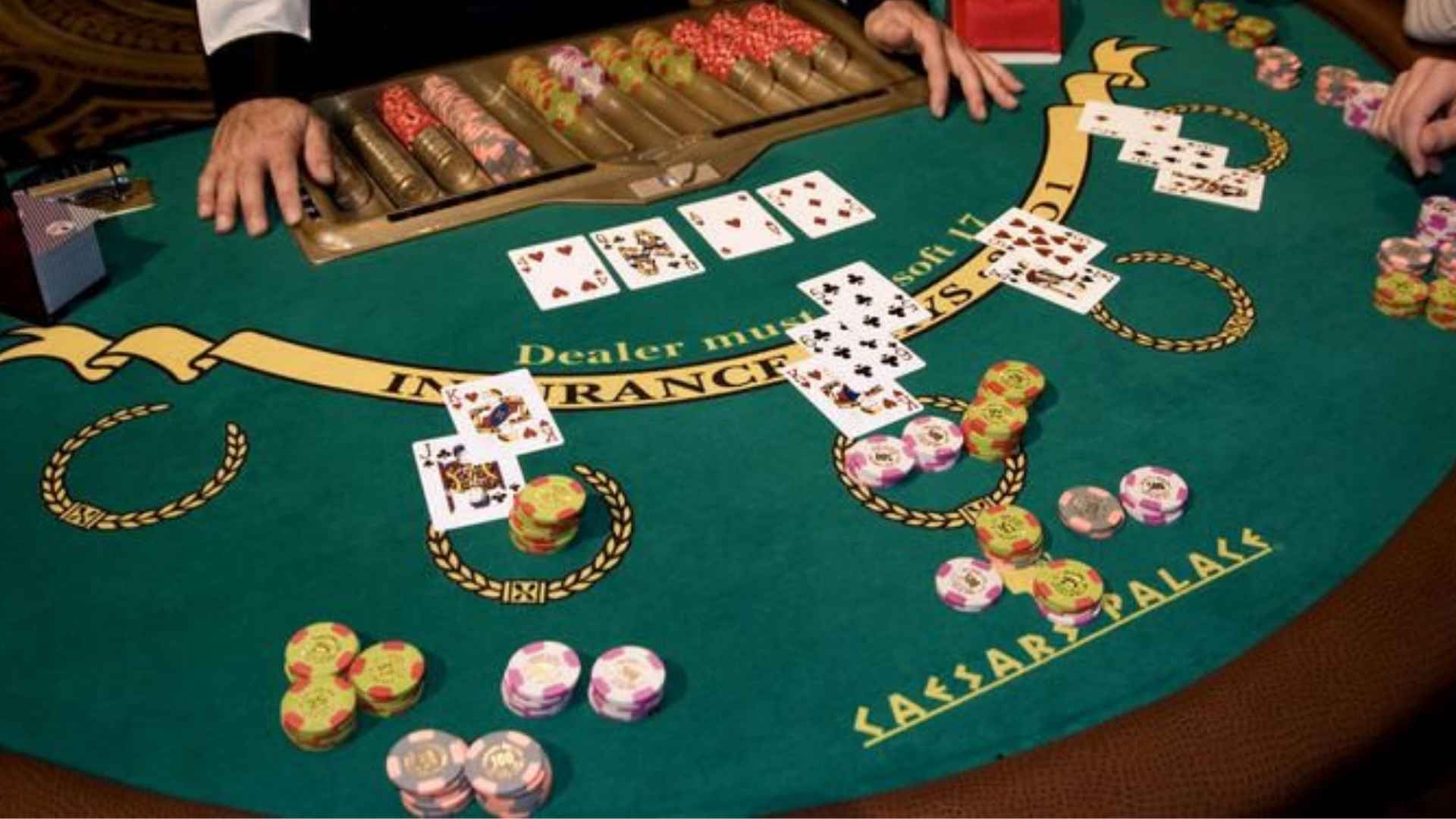
Baccarat tournaments shift the focus from beating the house edge to outlasting real opponents at the table. To succeed over multiple rounds, players must develop a steady approach that minimizes heavy chip fluctuations. Establishing this level of stability allows you to survive low-variance stretches and make deeper tournament runs.
Understanding Tournament Metrics and Pace
Standard casino baccarat focuses on individual hands, but tournament play introduces fixed round counts and visible leaderboards. You must constantly monitor your opponents' chip stacks to determine how your betting units compare. Failing to adjust to the table pace often results in premature elimination before the critical stages begin.
Patience plays a foundational role during the opening deals of any tournament structure. Trying to build an enormous lead immediately exposes your capital to unnecessary risks. A more balanced approach ensures you remain within striking distance as the field naturally thins out.
The Value of Table Position and Betting Choices
Acting late in a betting sequence provides a substantial tactical advantage because you can observe your rivals' wagers. You can match their bet sizes to maintain your lead or choose the opposite side to close a deficit. Leveraging this positional awareness separates highly disciplined players from casual participants.
Many players utilize specialized tools or practice formats to sharpen their real-time calculations. Utilizing comprehensive options like the game stick m88 allows enthusiasts to practice tracking complex betting scenarios outside of live casino environments. Developing these analytical routines ensures much faster decision-making under tight tournament time constraints.
Managing Risk Across Elimination Rounds
As the tournament progresses toward elimination thresholds, the pressure to shift your bet sizes increases dramatically. Incremental progression systems help protect your remaining chips while keeping your stack viable. Knowing precisely when to break your standard pattern is the hallmark of an elite competitor.
Contrarian betting becomes an essential tool when you need to overtake a dominant chip leader. If the leader wagers heavily on the Banker, placing a calculated bet on the Player side can quickly narrow the margin. However, these moves must be supported by accurate tracking of the remaining hands in the round.
Maintaining Mental Focus Under Pressure
Reaching the final table brings intense psychological challenges that can easily disrupt your planned strategy. Successful players remain entirely objective, focusing purely on mathematical probabilities rather than short-term results. Emotional control ensures that a single bad beat does not ruin hours of steady progress.
Reviewing your past tournament logs helps identify specific areas where focus might have slipped. Regular practice builds the mental stamina required to endure long multi-table sessions without making costly unforced errors. Dedication to these small strategic details ultimately creates the consistency needed for long-term tournament success.
Reward Systems That Feel Meaningful ...
In the rapidly changing world of digital entertainment, understanding how reward systems influence player behavior is crucial for both game developers and players. While many modern titles rely heavily on flashing numbers and endless items, a growing shift is emphasizing the importance of design that respects player effort. When virtual accomplishments mirror true psychological fulfillment, the digital environment becomes much more satisfying to explore over a long period.
The Balance of Intrinsic and Extrinsic Value
Reward systems are fundamental components of video games designed to motivate players, reinforce behaviors, and sustain engagement. Historically, the industry has seen a distinct shift away from focusing on intrinsic rewards in games to more extrinsic ones. To build long-term satisfaction, developers must ensure that external incentives do not completely overshadow the innate joy of gameplay.
When players are driven primarily by internal rewards like personal growth, their emotional investment remains steady. Extrinsic metrics, such as rare items or profile titles, work best when they serve as symbols of genuine accomplishment rather than mere visual clutter. Striking this balance helps maintain a healthy relationship between digital systems and the community.
Fostering Autonomy and Personal Growth
A truly compelling progression model allows participants to choose their own paths instead of forcing them down a rigid line. Giving individuals control over how they unlock bonuses increases their personal investment and overall enjoyment. By supporting autonomous decisions, digital platforms transform simple entertainment loops into profound journeys of mastery.
Furthermore, the problem with not rewarding players appropriately within the core gameplay loop is that it can quickly make the experience feel tedious. Designing systems that align closely with skill acquisition ensures that every milestone achieved feels earned rather than randomized. Participants looking for engaging challenges can browse options through a game stick m88 to find platforms that prioritize responsive design and balanced systems.
The Long-Term Impact of Ethical Mechanics
As virtual economies expand, the ethical considerations behind interactive mechanics receive more critical attention from the gaming community. A transparent structure that respects the user's time generates deep loyalty and positive word of mouth. When platforms move away from manipulative mechanics, the overall health of the interactive ecosystem improves dramatically.
Ultimately, design decisions that focus on player fulfillment create sustainable engagement that does not rely on artificial compulsion loops. By prioritizing quality over superficial loops, contemporary creators ensure that their virtual environments remain spaces of genuine entertainment. The future of interactive design relies on this steady commitment to satisfying basic psychological needs.

RNG Technology and Probability Explained ...
Modern digital platforms rely heavily on complex backend software to ensure that virtual experiences remain completely unpredictable and unbiased. At the core of this engineering is Random Number Generator (RNG) technology, which acts as the computational engine for generating chance events. Understanding how these algorithms interact with the mathematical laws of probability is essential for evaluating digital fairness.
The Mathematical Relationship Between RNG and Probability
Probability defines the statistical likelihood of an event occurring over a large number of independent trials. RNG technology uses advanced mathematical formulas to closely mimic these theoretical probabilities in a digital space. By executing precise calculations, the software ensures that every simulated event aligns perfectly with expected mathematical distributions.
For instance, if a virtual coin is flipped, the underlying system must guarantee a fifty percent long-term chance for each side. Programmers establish strict parameters within the codebase so that digital outcomes mirror real-world mathematical expectations. This harmonious balance between theory and execution provides the baseline stability required for modern interactive applications.
How Pseudo-Random Algorithms Simulate True Chance
Achieving absolute randomness within a deterministic computer system is a significant technical challenge for software developers. Most digital entertainment architectures utilize Pseudo-Random Number Generators (PRNGs), which rely on a starting numerical value known as a seed. This seed is typically generated from highly variable environmental data, such as the exact millisecond of the system clock.
Once the seed is introduced, the complex algorithm processes it repeatedly to output a long sequence of numbers that appear random. Although the sequence is technically deterministic, the numerical patterns are so vast that they are impossible for humans to predict. This operational efficiency allows systems to generate hundreds of isolated results every second without draining device resources.
Ensuring Auditing and Algorithmic Independence
A fundamental rule of reliable random systems is statistical independence, meaning that past outcomes have no influence on future results. The software does not possess a memory, ensuring that every calculation starts with a completely fresh mathematical slate. This lack of continuity prevents the formation of exploitable patterns that could compromise system integrity.
To maintain high levels of user trust, platforms frequently subject their mathematical engines to rigorous external audits. Independent testing laboratories analyze millions of algorithmic cycles to verify the complete uniformity of the output distribution. Consumers seeking verified hardware options often check specialized reviews or pick a reliable game stick m88 to ensure their setups run on certified gaming frameworks.
The Practical Impact on Digital Replayability
Beyond simply maintaining abstract fairness, the intersection of RNG and probability directly shapes modern software design. Randomized systems dictate everything from dynamic enemy behavior to the distribution of virtual rewards in expansive digital environments. This constant variability ensures that gameplay experiences remain fresh, engaging, and highly unpredictable over time.
As interactive technology continues to transition toward cloud architectures, the demand for sophisticated random engines continues to escalate. Developers are constantly balancing cryptographic security standards against the need for low-latency operational execution. Ultimately, the continuous development of these invisible mathematical systems will remain the primary driver of digital innovation.

Sic Bo Rules and Strategies in One Guide ...
Sic Bo is a thrilling casino game that combines the excitement of rolling three dice with a specialized, extensive betting layout. While the basic mechanics rely purely on luck and random chance, navigating a live dealer table requires understanding standard social expectations. Learning the proper protocol ensures that every participant enjoys a seamless and highly respectful gaming environment.
Understanding the Wagering Window
One of the most important aspects of proper conduct is respecting the timeline established by the dealer for placing chips. Players must place all of their specific combinations and wagers on the designated scoring boxes before the roll begins. Trying to place or alter chips after the wagering period closes can disrupt the flow and lead to immediate dealer intervention.
Because the betting layout is centralized and highly detailed, players often need to reach across the table to access certain options. It is polite to wait your turn or politely ask the dealer for assistance if a particular section is difficult to reach safely. Maintaining composure during busy sessions helps keep the common atmosphere pleasant for everyone involved.
Proper Handling of Gaming Materials
Unlike other options where participants throw the physical objects themselves, players never touch the primary components here. A live dealer or a specialized mechanical container manages the three dice to guarantee completely random and secure outcomes. Touching the container or trying to influence the shaker is considered a serious breach of standard table policy.
When utilizing your physical chips, make sure to place them cleanly inside the borders of your intended betting box. Messy placements can cause confusion for the dealer when it comes time to distribute the various payouts accurately. Knowing how to engage smoothly with digital accessories or physical layouts is a key skill, much like playing a virtual game stick m88 option efficiently.
Interacting Responsibly With the Table
Emotional stability is highly valued at any public casino table, particularly during unexpected sequences of wins or losses. While celebrating a successful high-paying combination is natural, excessive or disruptive outbursts can make neighboring players quite uncomfortable. Accepting random variations with steady discipline shows true sportsmanship and builds respect among peers.
It is also essential to treat the casino staff with courtesy throughout your session, regardless of the statistical outcomes. If you have questions about specific payout rates or combination rules, ask them calmly during the downtime between individual rolls. Following these basic cooperative guidelines elevates the collective entertainment value for everyone present at the table.

Sic Bo Rules and Strategies in One Guide ...
Sic Bo is a thrilling casino game that combines the excitement of rolling three dice with a specialized, extensive betting layout. While the basic mechanics rely purely on luck and random chance, navigating a live dealer table requires understanding standard social expectations. Learning the proper protocol ensures that every participant enjoys a seamless and highly respectful gaming environment.
Understanding the Wagering Window
One of the most important aspects of proper conduct is respecting the timeline established by the dealer for placing chips. Players must place all of their specific combinations and wagers on the designated scoring boxes before the roll begins. Trying to place or alter chips after the wagering period closes can disrupt the flow and lead to immediate dealer intervention.
Because the betting layout is centralized and highly detailed, players often need to reach across the table to access certain options. It is polite to wait your turn or politely ask the dealer for assistance if a particular section is difficult to reach safely. Maintaining composure during busy sessions helps keep the common atmosphere pleasant for everyone involved.
Proper Handling of Gaming Materials
Unlike other options where participants throw the physical objects themselves, players never touch the primary components here. A live dealer or a specialized mechanical container manages the three dice to guarantee completely random and secure outcomes. Touching the container or trying to influence the shaker is considered a serious breach of standard table policy.
When utilizing your physical chips, make sure to place them cleanly inside the borders of your intended betting box. Messy placements can cause confusion for the dealer when it comes time to distribute the various payouts accurately. Knowing how to engage smoothly with digital accessories or physical layouts is a key skill, much like playing a virtual game stick m88 option efficiently.
Interacting Responsibly With the Table
Emotional stability is highly valued at any public casino table, particularly during unexpected sequences of wins or losses. While celebrating a successful high-paying combination is natural, excessive or disruptive outbursts can make neighboring players quite uncomfortable. Accepting random variations with steady discipline shows true sportsmanship and builds respect among peers.
It is also essential to treat the casino staff with courtesy throughout your session, regardless of the statistical outcomes. If you have questions about specific payout rates or combination rules, ask them calmly during the downtime between individual rolls. Following these basic cooperative guidelines elevates the collective entertainment value for everyone present at the table.

Bridge Games for Relaxation and Mental Exercise ...
Finding a hobby that provides both deep mental engagement and a peaceful escape from daily stress can be a challenging task in today's fast-paced world. Engaging in bridge games offers a unique solution by combining strategic thinking with a soothing, structured environment. This classic card game provides an ideal balance for individuals seeking a productive yet calming way to unwind.
A Calming Escape from Daily Pressures
Unlike passive activities such as watching television, playing bridge requires active concentration that naturally diverts your mind from everyday worries. The structured nature of the game serves as a form of active relaxation, helping to lower stress levels by keeping you fully immersed in the present moment. This complete absorption creates a mental repose that allows players to reset their emotional energy effectively.
Many enthusiasts find that dedicating time to a regular card session establishes a comforting routine in their weekly schedules. For those looking to enjoy these engaging sessions on modern devices, using a dedicated game stick m88 setup can provide seamless access to various digital tables. This blend of traditional strategy and modern accessibility makes it easier than ever to incorporate healthy mental breaks into a busy lifestyle.
Enhancing Cognitive Health and Agility
Bridge is widely recognized as a comprehensive workout for the brain, stimulating multiple cognitive processes simultaneously. Players must constantly analyze shifting card distributions, track played honors, and calculate probabilities in real time. This consistent mental gymnastics helps strengthen short-term memory and sharpens overall problem-solving skills across all age groups.
Regularly challenging your mind with these tactical card arrangements has been shown to support long-term cognitive health. By routinely practicing inferential analysis and sequencing, you actively train your brain to maintain sharpness and flexibility. The satisfaction derived from successfully executing a complex strategy provides a natural boost to self-esteem and mental vitality.
Fostering Strategic Planning and Patience
Every hand dealt in a game of bridge introduces a unique puzzle that demands foresight, careful timing, and tactical deliberation. Players are encouraged to look several moves ahead, evaluating potential risks and adjusting their strategies based on unfolding information. This deliberate pace inherently teaches patience and helps individuals develop better emotional control under pressure.
Learning when to delay drawing trumps or how to manage entries to the dummy requires a high level of disciplined thinking. These deliberate gameplay decisions encourage players to move away from impulsive reactions and focus entirely on long-term outcomes. Consequently, the strategic skills honed at the card table often translate into improved decision-making capabilities in everyday life challenges.
The Social Component of Mind Sports
While bridge is an excellent exercise for individual intellect, it remains a deeply collaborative experience built on partnership and trust. Working closely with a partner to decode subtle card signals fosters strong interpersonal connections and mutual understanding. This shared communication dynamic helps combat feelings of isolation by building a welcoming community of like-minded players.
Navigating the competitive yet friendly atmosphere of a bridge club provides a healthy outlet for social interaction. Embracing both the victories and the learning experiences alongside others teaches the value of teamwork and mutual respect. Ultimately, this vibrant social connection enhances the overall therapeutic value of the game, making it a fulfilling addition to anyone's wellness journey.

Deck Building Tips for Mobile Card Games ...
The mobile card gaming landscape has grown immensely, offering players complex strategic depths right on their smartphones. Success in these digital battlegrounds rarely depends on luck alone, as the foundation of victory is laid well before a match begins. Developing a robust, reliable deck requires a deep understanding of card interactions, resource allocation, and specific win conditions.
Establishing a Clear Win Condition
Every successful deck needs a definitive strategy to close out a match against an opponent. Without a clear goal, your deck will simply become a collection of high-value cards that do not work toward a unified purpose. You must decide whether your strategy focuses on aggressive early-game pressure or control-oriented late-game domination.
Once you identify your primary victory path, choose supporting cards that directly accelerate or protect that specific outcome. For players seeking a deeper breakdown of operational mechanics, finding an informative portal like the game stick m88 resource can offer unique perspectives on competitive card combinations. Maintaining focus on this core objective ensures your deck remains efficient under pressure.
Balancing Your Resource Curve
Managing your resource curve is vital to ensuring that you can play cards effectively during every single turn. A deck overloaded with expensive cards will leave you vulnerable in the opening rounds of a match. Conversely, relying too heavily on low-cost options might cause you to run out of momentum during extended late-game scenarios.
Analyze the mathematical distribution of costs within your collection to create a smooth operational flow. Most successful tactical archetypes utilize a bell-shaped distribution that peaks at mid-cost utility tools. Testing these resource ratios across multiple active matches will help you fine-tune the consistency of your draws.
Maximizing Tactical Card Synergies
True mastery in deck construction comes from finding hidden combinations where the collective strength exceeds individual card values. Look for passive abilities that trigger beneficial effects when other specific types are played onto the virtual board. These operational loops can quickly turn a disadvantageous board state into a decisive victory.
However, you should avoid overcomplicating your card combinations by relying on fragile setups that require too many moving parts. Stick to flexible, two-card or three-card synergies that can be easily executed in various match conditions. This approach minimizes the risk of holding unplayable pieces in your hand during critical turn cycles.
Adapting to the Evolving Metagame
No deck remains dominant forever due to regular balance patches, shifting strategies, and fresh content expansions introduced by developers. A build that performs exceptionally well this week might struggle next week against newly popular counter-strategies. Successful players must constantly evaluate competitive trends and adjust their card choices accordingly.
Dedicate a few slots in your collection to flexible tech options that specifically target popular opposing strategies. Swapping out just two or three minor pieces can completely revitalize your deck against the current field of competitors. Staying observant and adaptable is ultimately what separates casual players from true strategy masters.

Hop Bets: High Risk, High Reward ...
The game of craps is renowned for its high-energy environment and a sprawling betting layout that caters to various risk tolerances. Among the most thrilling yet volatile options available to players are hop bets, which allow individuals to wager on an exact combination of the dice for the very next roll. Understanding how these unique propositions function can help players balance the immediate excitement against long-term bankroll sustainability.
What Are Hop Bets in Craps?
A hop bet is a specialized one-roll wager where the player predicts the precise outcome of the next dice throw. Unlike multi-roll bets that remain active until a specific total is reached, these wagers are resolved immediately on the subsequent toss. If the shooter rolls the exact combination chosen by the bettor, the payout is distributed, but any other outcome results in an immediate loss.
These bets are typically divided into two distinct categories based on mathematical probabilities, namely single combinations and pairs. For instance, hopping a diverse combination like a four and a one offers a different payout structure compared to hopping a pair of identical numbers. Players must explicitly call out their preferred pairing to the dealer before the dice are thrown to ensure the wager is properly recorded on the felt.
Analyzing the Probability and House Edge
The primary allure of these proposition wagers lies in their substantial payout ratios, which frequently range from fifteen-to-one up to thirty-to-one. However, these attractive returns are mathematically balanced by a significantly high house advantage that can rapidly deplete an unmanaged bankroll. Statistically, the likelihood of hitting a specific non-paired combination is only two out of thirty-six possible outcomes.
For identical pairs, the odds become even steeper as there is only a single favorable combination available out of all possible results. This structural reality pushes the house edge to over eleven percent, making it one of the most demanding wagers on the casino floor. While traditional table players approach these options with caution, modern enthusiasts often use a digital game stick m88 platform to study statistical trends and practice formatting their betting systems safely.
Strategic Integration and Bankroll Safety
Incorporating high-risk choices into a broader gaming session requires a disciplined approach to bankroll management and clear loss limits. Many experienced participants advise treating these wagers as occasional entertainment spikes rather than the foundation of a core strategy. Allocating only a tiny fraction of your overall chips to these one-roll predictions helps protect your funds during cold sequences.
Another popular tactical choice involves utilizing these specific wagers as short-term hedges during major multi-roll sequences. For example, a player holding a significant investment on a complex point might use a quick hop wager to protect against an untimely seven. Balancing these fast-paced options with conservative line wagers ensures that the entertainment value remains high without exposing your bankroll to excessive volatility.
Final Thoughts for Players
Ultimately, pursuing high-reward choices on the layout adds an undeniable layer of drama to every single dice throw. Recognizing the mathematical reality behind the numbers allows you to make informed decisions instead of relying purely on luck. By staying disciplined and limiting the frequency of these proposition choices, you can safely enjoy everything the table has to offer.

Popular Mathematical Probability Games ...
Mathematical probability games have captured the interest of students and strategic thinkers for centuries, blending numerical logic with the excitement of unpredictable outcomes. Engaging with these challenges allows individuals to move beyond mere guesswork and develop a structured approach to risk assessment. By understanding underlying mathematical models, players can improve their analytical reasoning while enjoying both classic and digital formats.
The Classic Foundation of Tabletop Challenges
From simple coin tosses to intricate card games, tabletop challenges serve as the historical foundation for modern probability theory. Early mathematicians analyzed dice variations to define how random events operate independently over repeated trials. Observing these physical outcomes helps players grasp foundational concepts like combinations and statistical distributions in a practical setting.
Many educational frameworks incorporate these tactile activities to help students visualize complex permutations without feeling overwhelmed by abstract formulas. Actively tracking frequencies during gameplay transforms passive learning into a dynamic and highly memorable experience. This hands-on practice builds an intuitive understanding of how individual actions affect long-term statistical trends.
Modern Digital Systems and Algorithmic Play
The transition into the digital era has introduced advanced software that simulates millions of random events instantaneously, offering fresh environments for analytical play. Modern enthusiasts frequently utilize specialized tools to test their predictive frameworks against complex computer algorithms. For instance, exploring an interactive platform like the game stick m88 allows individuals to observe how digital random number generators execute theoretical probabilities in real time.
Studying these computerized versions assists players in separating short-term luck from reliable mathematical averages. Developing a patient and disciplined approach ensures that decisions are guided by logical calculations rather than emotional impulses. Consequently, digital environments act as convenient laboratories for refining advanced statistical reasoning skills under various scenarios.
Overcoming Cognitive Biases Through Logic
One of the greatest benefits of engaging with probability-based puzzles is the ability to recognize and overcome common cognitive flaws. Many individuals naturally fall victim to the gambler's fallacy, incorrectly assuming that past results dictate future independent events. Regular practice with structured mathematical scenarios corrects these misconceptions and fosters an objective mindset.
By learning to analyze data dispassionately, players learn to make decisions based on verifiable facts rather than groundless optimism. This intellectual shift is highly beneficial for students and professionals who must navigate complex financial or logistical choices daily. Ultimately, statistical clarity eliminates unnecessary anxiety when dealing with unavoidable real-world uncertainties.
Enhancing Long-Term Decision Skills
Mastering the mechanics of probability games equips individuals with valuable skills that extend far beyond the boundaries of a gaming board. Evaluating likelihoods encourages a more balanced perspective when facing uncertain situations in everyday business or personal planning. Learning to tolerate unpredictable results reduces cognitive biases and fosters long-term strategic resilience.
Ultimately, these mathematical exercises teach us that while individual outcomes can be volatile, overall patterns remain highly predictable. Incorporating strategic play into regular learning routines promotes a lifelong appreciation for quantitative logic and structured decision-making. By embracing these engaging challenges, anyone can cultivate a more precise and confident analytical mindset.
Semua artikel sudah ditampilkan.